AK+Dr. Abed KhabbazDENTAL CLINIC · HAMRA, BEIRUTالعربية
Book nowCallWhatsApp
IMPLANT DENTISTRY · HAMRA, BEIRUT

Dental Implants in Beirut

Replacing a missing tooth is not only about placing an implant. The long-term result depends on diagnosis, implant position, bone and soft-tissue conditions, and the final restoration being planned together.

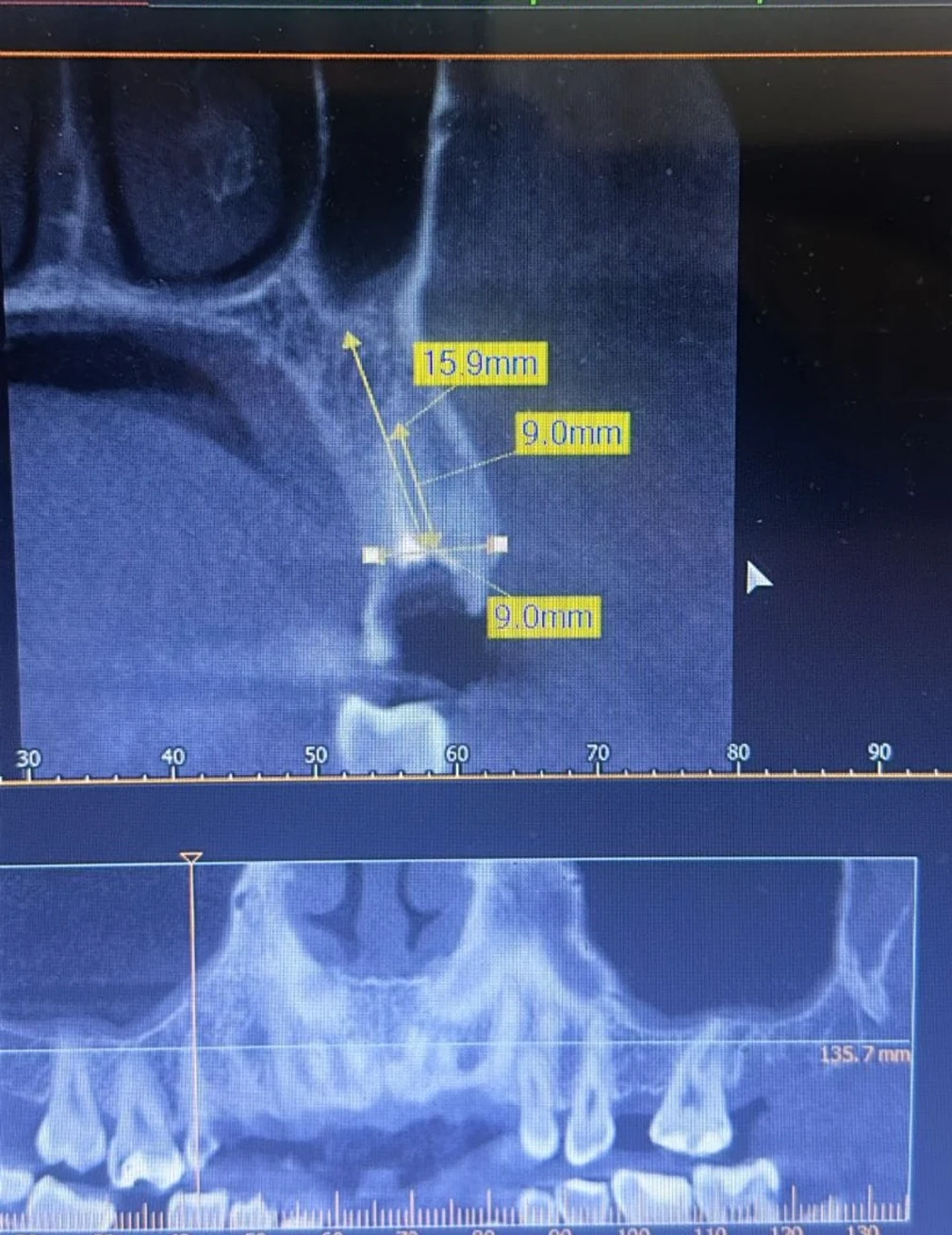
3D CBCT implant planning from Dr. Abed Khabbaz Dental Clinic in Hamra, Beirut

What the consultation focuses on

Your consultation begins with the tooth or teeth that need replacement, your medical and dental history, the available bone and soft tissue, your bite, and the space needed for the final crown or bridge.

Careful planning starts with 3D imaging

A CBCT scan is routinely included in every implant assessment. It helps us evaluate bone volume, surrounding anatomical structures, and the available space in three dimensions so implant position can be planned with greater precision before treatment.

Treatment may include

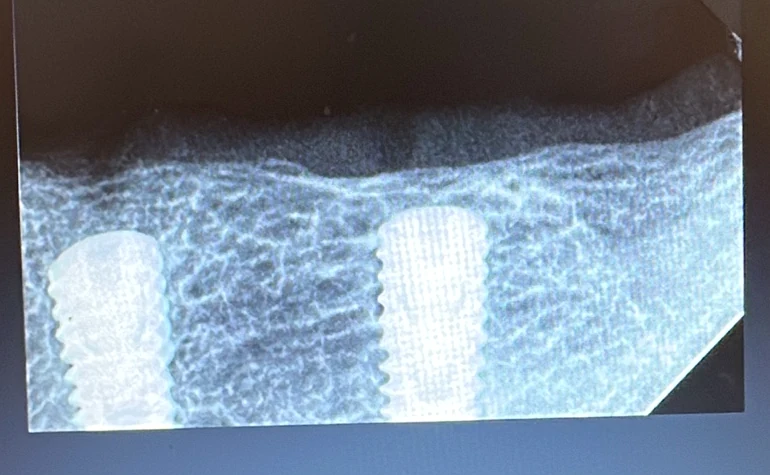
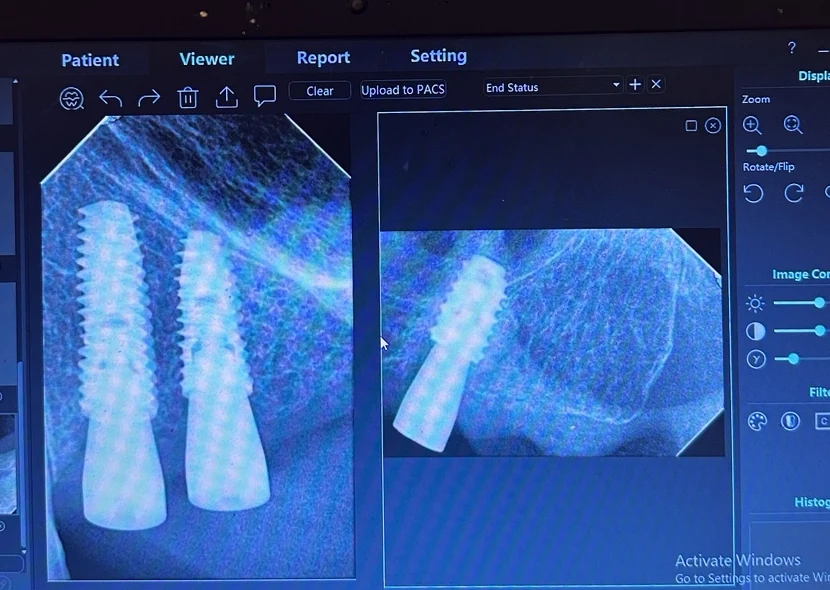
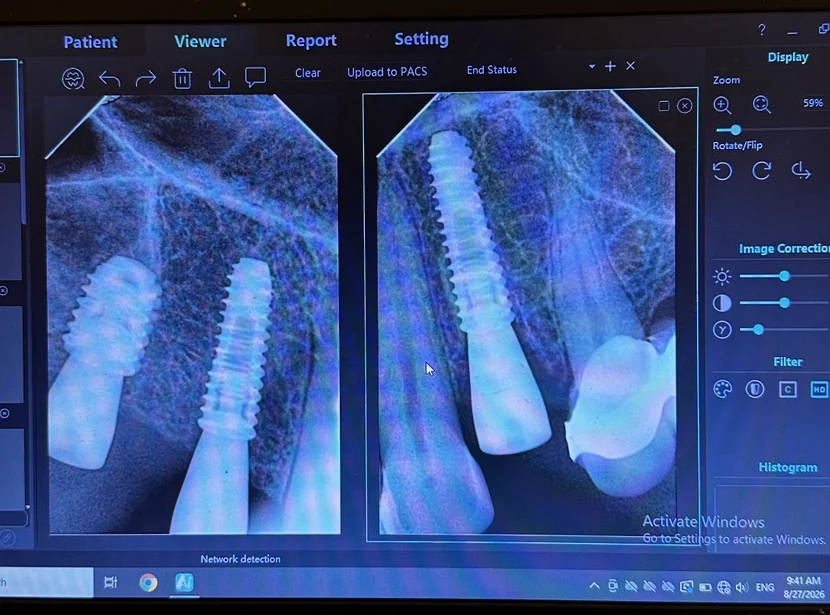
Depending on the case, treatment may involve a single implant, multiple implants supporting a bridge, immediate placement after extraction, socket or bone augmentation, or an internal sinus lift. Not every patient needs grafting, and the need is decided after clinical and radiographic assessment.

Restoration matters from day one

The implant is only one part of the treatment. The shape, position and emergence of the final crown or bridge should guide surgical planning so the result can be cleansable, functional and natural-looking.
COMMON QUESTIONS

Frequently asked questions

How long does a dental implant take?

The surgical appointment is often relatively short, but the overall timeline varies. Healing before the final restoration commonly takes several months and depends on bone quality, grafting, implant stability and the individual case.

Do I always need a bone graft?

No. Grafting is only considered when the available bone is not adequate for the planned implant or when contour support is needed.

Can an implant be placed immediately after an extraction?

Sometimes. Immediate placement depends on the site, infection control, remaining bone, soft tissue and the ability to achieve a stable, prosthetically appropriate implant position.

Why is CBCT included in implant planning?

Three-dimensional CBCT imaging gives a clearer view of the available bone and nearby anatomical structures than two-dimensional imaging alone. It is routinely part of implant assessment at the clinic and is reviewed together with the clinical examination when planning treatment.

Do dental implants require maintenance?

Yes. Implants require daily plaque control and professional review. The tissues around implants can develop inflammation and bone loss, so maintenance is part of treatment.

This page is general educational information and does not replace an examination, diagnosis or individualized treatment plan.